
Fantastic Pool Closing Tips to Save You Time and Money
Closing your pool for winter is one of the most important things you can do to protect it. Skip the right steps, and you risk cracked pipes, algae blooms, and costly repairs come spring. Do it properly, and you set yourself up for a faster, easier pool opening next season.
At Millennium Pools & Spas, we have seen firsthand what a difference proper pool winterization makes. This guide walks you through everything you need to know about closing pool for winter the right way.
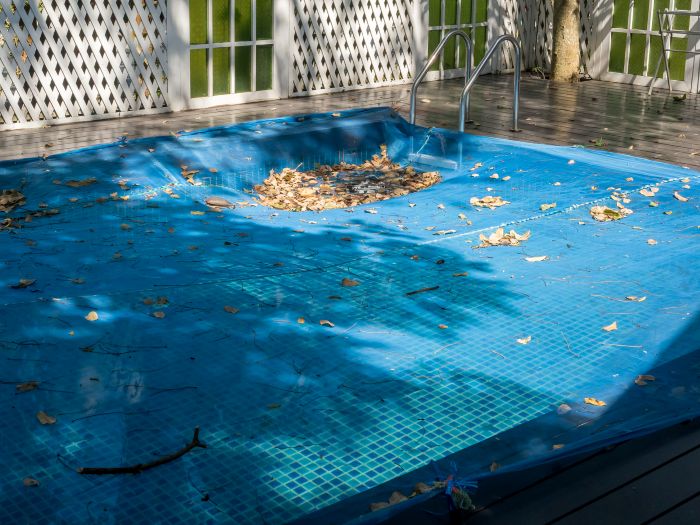
How Proper Pool Closing Saves Money
A proper pool closing is an investment that pays for itself. When you take the time to balance your water chemistry, protect your equipment, and use the right pool closing chemicals, you avoid a long list of expensive problems. Here is what you stand to gain by save money by closing pool correctly:
- Fewer Equipment Repairs: Water left in pipes and pumps can freeze and expand, cracking equipment and costing hundreds in repairs.
- Lower Chemical Costs in Spring: A properly closed pool requires far fewer chemicals to rebalance when you open it.
- Longer Liner and Surface Life: Algae and imbalanced water are hard on pool surfaces. Protect them over winter, and they last longer.
- Faster Spring Openings: A clean, well-closed pool takes far less time and effort to open.
Time-Saving Pool Closing Hacks
Closing a pool does not have to eat up an entire weekend. A few smart habits keep the process efficient:
- Start Early: Do not wait until the last minute. Close your pool when water temperatures consistently drop below 65°F. Algae grow slowly at this temperature, giving you more control.
- Work in Order: Balance chemicals first, then clean the pool, then lower the water, then winterize equipment. Working out of sequence creates extra steps.
- Use a Closing Kit: Pre-bundled pool closing chemical kits take the guesswork out of what you need and save you multiple trips to the store.
- Label Everything: When you remove fittings, plugs, and accessories, label or photograph them. You will thank yourself in spring.
- Blow Out Lines with an Air Compressor: This clears water from plumbing lines quickly and thoroughly, reducing freeze risk.
Essential Pool Closing Chemicals
Using the right pool closing chemicals is critical to keeping your water clean over winter. Stagnant water with improper chemistry becomes a breeding ground for algae and bacteria.
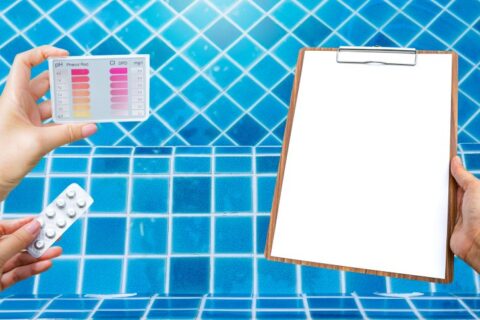
Before you close, test and adjust the following:
- pH levels should sit between 7.2 and 7.6.
- Alkalinity should be between 80 and 120 parts per million (ppm).
- Calcium hardness should fall between 180 and 220 ppm.
- Chlorine should be shock-treated to break down organic material before closing.
After balancing, add these pool closing chemicals to your winterization routine:
- Algaecide to prevent algae growth throughout winter
- Stain and scale preventer to protect surfaces from mineral buildup
- Winter shock for an extra layer of sanitation
- Enzyme treatment to break down non-living organic material like sunscreen and oils
Choosing the Right Winter Pool Cover
Winter pool covers do more than keep leaves out. A good cover protects your water quality, reduces chemical loss, and shields your pool surface from harsh weather.
There are two main types of winter pool covers to consider:
- Standard Winter Covers: These are affordable and effective for debris protection. They sit on top of the water and are held in place with water bags or anchors. They work well for above-ground pools and budget-conscious owners.
- Safety Covers: These are anchored into the pool deck and can support weight, making them a safer option for households with children or pets. They also do a better job of blocking sunlight and reducing algae growth.
When choosing between the two, consider the following:
- Choose a safety cover if child or pet safety is a concern.
- Choose a standard cover if budget is the primary factor and safety is less of a concern.
- Choose a solid cover if you want maximum debris and sunlight blocking.
- Choose a mesh cover if you want water to drain through without pooling on top.
When to Hire a Pool Closing Service
Some pool owners prefer closing their pools themselves, while others find professional services are worth the cost, especially for complex systems or first-time owners.
Consider hiring a pool closing service if:
- You have an in-ground pool with features like a spa.
- You’re unsure how to winterize your equipment properly.
- You’ve had freeze damage or algae problems in the past.
- You don’t have time to do a thorough job.
Start Next Season Right
Closing pool for winter is not just about shutting things down. It is about protecting your investment so next season starts smoothly and affordably. The right pool closing chemicals, a quality winter pool cover, and a systematic approach make all the difference. If you want the job done right without the hassle, the team at Millennium Pools & Spas is here to help. We serve homeowners and commercial properties across Virginia, Maryland, and Washington, D.C. with reliable, professional pool closing services. Contact us today to schedule your closing and head into winter with total peace of mind.
Frequently Asked Questions
When should I close my pool for winter?
Close your pool when the water temperature drops consistently below 65°F. In Virginia and Maryland, this typically falls between late September and mid-October. Closing too late increases the risk of algae growth and freeze damage.
What pool closing chemicals do I need?
At minimum, you need a pH balancer, alkalinity adjuster, calcium hardness increaser, chlorine shock, algaecide, and a stain and scale preventer. Pre-bundled winter closing kits are a convenient and cost-effective option.
What type of winter pool cover is best?
Safety covers offer the best protection for households with children or pets and do a better job blocking sunlight. Standard winter covers are a budget-friendly option for above-ground pools or lower-risk situations.
Can I save money by closing my pool myself?
Yes, DIY pool closing can save on labor costs. However, mistakes can lead to freeze damage, algae blooms, or surface staining that cost far more to fix than a professional closing would have cost in the first place.
How do professional pool closing services save time?
Professional pool closing services handle the entire process in one visit, including chemical balancing, equipment winterization, and cover installation. This eliminates the need for multiple trips to the store and reduces the risk of costly errors.

Why Pool Closing Matters for Protection and Savings
As swimming season winds down across Virginia, Washington DC, and Maryland, many pool owners…
Closing your pool the right way makes all the difference between a smooth spring opening and a costly repair bill. At Millennium Pools & Spas, we…