
Shotcrete vs Gunite: Which Is Best for Your Pool?
Choosing pool shell material is one of the most important decisions in any pool project. When comparing shotcrete vs gunite, property owners often want to understand how each option performs, what sets them apart, and which is better suited to their goals. Millennium Pools & Spas helps clients throughout Virginia, Washington, D.C., and Maryland evaluate shotcrete vs gunite options based on project requirements, site conditions, and long-term expectations.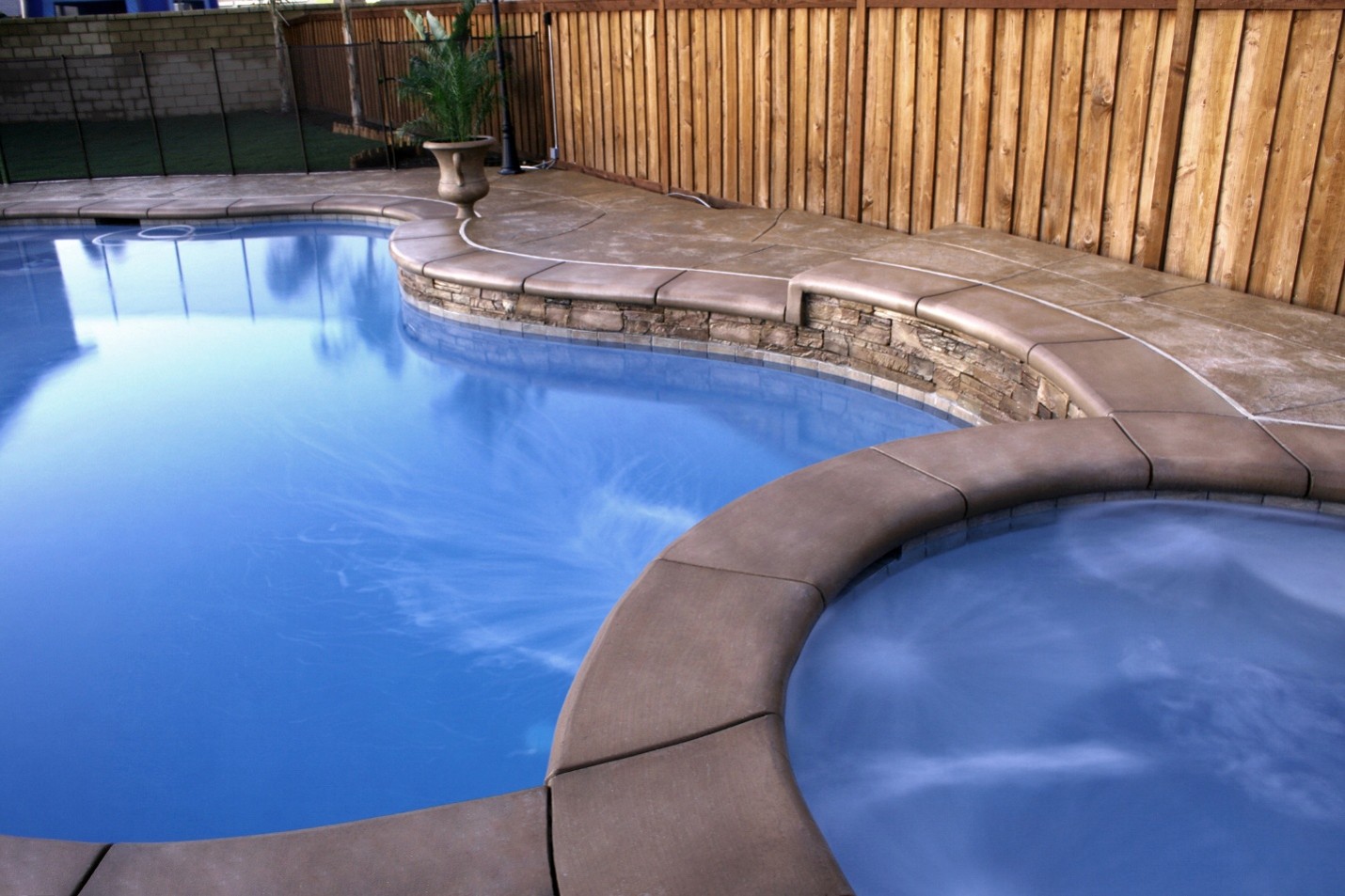
What Is Shotcrete?
Shotcrete is a concrete application method used to create strong, durable pool shells. In this process, cement, sand, aggregate, and water are mixed before being sprayed onto a reinforced framework with a hose. The material is applied at high velocity, helping it bond tightly and form a solid structure. Because the mixture is prepared before application, contractors can achieve a consistent blend throughout the installation process. Shotcrete is commonly used in concrete pool installation projects where efficiency, durability, and reliable placement are important considerations.
What Is Gunite?
Gunite is another popular method used for concrete pool installations. Unlike shotcrete, the cement-and-sand mixture travels through the hose in dry form. Water is added at the nozzle immediately before application, allowing installers to adjust moisture levels throughout the process. This flexibility can be helpful for projects with custom shapes, detailed features, or unique design requirements. Gunite has been used in pool construction for decades and remains a trusted option for both residential and commercial projects seeking long-lasting structural performance.
Shotcrete vs Gunite: What Are the Key Differences?
Shotcrete and gunite both create durable concrete pool shells, but the installation process differs in a few important ways. Those differences can affect scheduling, design flexibility, and project management during construction. Understanding these distinctions can help you compare options with confidence:
- Mixing Process – Shotcrete is mixed with water before it enters the application equipment. Gunite remains dry until water is added at the nozzle during installation.
- Application Control – Gunite allows installers to adjust water levels throughout the application process. This can provide additional flexibility for certain project requirements.
- Material Consistency – Shotcrete delivers a consistent mixture from the start because all ingredients are blended before application. This can support uniform placement throughout the shell.
- Construction Efficiency – Shotcrete often arrives ready for application, which may help streamline parts of the installation process. Project schedules still depend on factors such as site conditions and weather.
- Design Flexibility – Gunite is frequently chosen for projects with custom curves, unique layouts, and specialized design features.
Pros and Cons of Shotcrete Pools
Shotcrete pools remain a popular choice because they offer durability and a consistent installation process. Like any construction material, however, there are strengths and considerations worth reviewing. Looking at both sides can help you determine whether shotcrete pool benefits align with your project goals:
- Pro: Consistent Material Blend – Water and concrete are mixed before application, helping create a uniform consistency throughout installation. This can support reliable placement across the pool shell.
- Pro: Efficient Installation Process – Pre-mixed material may help simplify portions of construction. This can support project scheduling when conditions allow.
- Pro: Strong Structural Performance – Shotcrete produces a durable concrete shell capable of supporting long-term use. Proper installation remains essential for optimal results.
- Con: Less On-Site Adjustment – Once the material is mixed, there is less flexibility to modify the moisture content during application. Project planning becomes especially important because of this.
- Con: Dependence on Material Delivery – Installation timing relies on proper mixing and delivery coordination. Experienced project management helps keep construction moving smoothly.
Pros and Cons of Gunite Pools
Gunite has earned a strong reputation within the pool construction industry because of its versatility and adaptability. Many custom projects use gunite because it accommodates a wide range of design goals. Reviewing the advantages and considerations can help you evaluate whether gunite pool installation is the right fit:
- Pro: Greater Design Freedom – Gunite works well for pools that include custom shapes, curves, and specialized features. This flexibility makes it a common choice for unique projects.
- Pro: Adjustable Application Process – Water is added during installation, allowing trained crews to make adjustments as needed. Site conditions can sometimes influence these decisions.
- Pro: Long-Term Durability – Properly installed gunite pools can provide decades of dependable performance. Ongoing maintenance supports long-term results.
- Con: Highly Skilled Application Requirements – Installation quality depends heavily on experienced crews and proper techniques. Professional workmanship plays an important role in the finished product.
- Con: Additional Construction Variables – The ability to adjust water content provides flexibility, but it also requires careful oversight during installation.
Which Option Is Better for Your Pool Project?
The answer depends on your project’s priorities. Some property owners place a higher value on construction efficiency, while others focus on design flexibility and customization opportunities. Both materials can create durable, long-lasting pool shells when installed correctly. The best pool shell material often depends on pool size, desired features, site conditions, budget considerations, and construction goals. A professional evaluation can help identify which option aligns best with your property and long-term expectations. Every project is different, which makes careful planning especially important.
Other Factors to Consider Before Making a Decision
The comparison between shotcrete and gunite is important, but it is only one part of the decision-making process. Several other factors can influence construction planning, project costs, and long-term performance. Considering these details early can help create a smoother project from start to finish:
- Pool Design Goals – The shape, depth, and features you want may influence which installation method makes the most sense. Custom elements sometimes benefit from greater design flexibility.
- Property Conditions – Site access, soil characteristics, and drainage conditions can affect project planning. Every property presents unique opportunities and challenges.
- Project Timeline – Construction schedules vary based on pool size, material selection, and site conditions. Understanding timing expectations can support better planning.
- Budget Considerations – Material costs, labor requirements, and project scope all contribute to overall investment. Reviewing the complete picture helps support informed decisions.
- Long-Term Maintenance Plans – Future care requirements should be considered alongside initial construction costs. A well-maintained pool supports long-term performance and value.
Contact Millennium Pools & Spas for Expert Guidance
Choosing between shotcrete and gunite involves balancing design goals, construction requirements, and long-term expectations. The right solution depends on your property’s unique needs and how you plan to use the pool for years to come. Millennium Pools & Spas has served Virginia, Washington DC, and Maryland since 2006, helping property owners evaluate construction options and plan successful projects. Contact us today to discuss your goals and request a free estimate.
Frequently Asked Questions
What Is the Main Difference Between Shotcrete and Gunite?
The primary difference is how water is introduced during application. Shotcrete is mixed with water before it enters the hose, while gunite remains dry until water is added at the nozzle. Both methods create strong, durable concrete pool shells, but the installation process varies.
Is Shotcrete Stronger Than Gunite for Pool Construction?
When installed correctly, both shotcrete and gunite provide excellent strength and durability. Structural performance is often influenced more by design, engineering, and workmanship than by the specific application method. Both materials are widely used in quality pool construction projects.
Which Option Is More Affordable: Shotcrete or Gunite?
Costs vary based on project requirements and local conditions. Shotcrete may offer installation efficiencies because it arrives pre-mixed. Gunite can provide greater flexibility during application, which may be valuable for complex projects. The best choice often depends on overall project goals.
How Long Do Shotcrete and Gunite Pools Last?
Shotcrete pools can last for decades when properly installed and maintained. Routine inspections and maintenance help support long-term structural performance. Gunite pools also offer an extended lifespan and are frequently used for permanent pool construction. Professional installation and ongoing care play an important role in longevity.

Upgrading your pool with LED lighting is one of the most effective ways to enhance its ambiance, safety, and functionality. LED lighting has a…
Upgrading Your Pool Equipment
Many people dream of owning a pool. Now that you’ve put one in, you undoubtedly enjoy endless hours of fun and…