
Mistakes to Avoid When Closing Your Pool
Closing your pool the right way makes all the difference between a smooth spring opening and a costly repair bill. At Millennium Pools & Spas, we see the same pool closing mistakes season after season and most of them are entirely preventable. This guide walks you through the most common errors pool owners make when shutting down for winter, what can go wrong when you cut corners, and how to close your pool correctly the first time.
Why Proper Pool Closures Matter
Skipping steps during pool closing season is not just an inconvenience. It creates real structural and chemical problems that can carry hefty price tags come spring. A properly winterized pool protects your investment, preserves your equipment, and makes reopening far less stressful. The risks of incorrect chemical balance, a poorly fitted pool cover, or skipping pool cleaning before closing can compound quickly, turning a straightforward seasonal task into a multi-week repair project.
Top Pool Closing Mistakes to Avoid
Pool owners tend to make the same pool closing mistakes year after year. Here are the most common ones our team has found at Millennium Pools & Spas:
Ignoring Water Chemistry
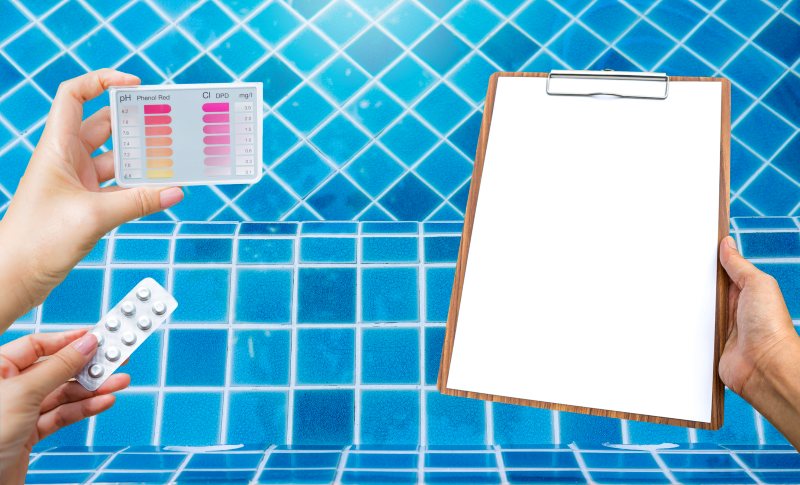
One of the biggest pool closing mistakes to avoid is neglecting your water chemistry before closing. Ignoring water chemistry allows unbalanced water to sit stagnant all winter, which corrodes surfaces, stains walls, and creates the perfect breeding ground for algae.
Before closing, test and balance the following:
- pH levels: Aim for a range of 7.4 to 7.6
- Alkalinity: Target 80 to 120 parts per million (ppm)
- Calcium hardness: Keep between 175 and 225 ppm
- Chlorine: Apply a winter shock treatment before covering the pool
The risks of incorrect chemical balance extend beyond water clarity. Acidic water eats away at vinyl liners, plaster, and metal fittings. Alkaline water causes scaling and cloudy buildup that is difficult to remove.
Skipping Pool Cleaning
Many pool owners skip pool cleaning before closing because the water “looks fine.” This is a mistake. Organic debris, including leaves, algae spores, and dirt, left in the pool over winter will decompose and stain your walls and floor. It also throws off your chemical balance while the pool sits unused.
Before you close:
- Brush all walls and floors thoroughly
- Vacuum the pool to remove all debris from the bottom
- Clean out the skimmer and pump baskets
- Backwash or clean your filter
Skipping pool cleaning before winter is one of the leading causes of green, swampy pools in the spring.
Choosing the Wrong Pool Cover or Installing It Incorrectly
Pool covers do the heavy lifting during winter. A cover that is too small, improperly secured, or low quality will let in debris, allow water to pool on top, and potentially collapse under the weight of snow or ice.
Common pool cover mistakes include:
- Using a summer solar cover instead of a winter safety cover
- Failing to use water bags or cover clips to secure the edges
- Allowing standing water to accumulate on top of the cover
- Choosing a cover that does not fit the pool’s dimensions
A quality winter pool cover acts as your pool’s first line of defense against the elements. Do not cut costs here.
Failing to Winterize the Equipment
Pipes, pumps, heaters, and filters all hold water. If that water freezes, it expands and can crack equipment, leading to expensive repairs in the spring. Properly winterizing your equipment is a non-negotiable part of pool closing.
Steps to protect your equipment:
- Drain all water from the pump, filter, heater, and chlorinator
- Blow out the plumbing lines using a wet/dry vacuum or air compressor
- Remove and store any plugs, ladders, or accessories
- Add pool antifreeze to the plumbing lines if required for your climate
Closing the Pool Too Early or Too Late
Timing matters more than most pool owners realize. Closing too early, while water temperatures are still warm, creates ideal conditions for algae growth under the cover. Closing too late, after temperatures have already dropped below freezing, risks ice damage to equipment and plumbing.
The general rule of thumb: close your pool when water temperatures consistently fall below 60°F. In Virginia, Washington, DC, and Maryland, this typically falls between late September and early November.
Consequences of Improper Pool Closing
When pool-closing mistakes go uncorrected, the damage accumulates quickly. Here is what improper pool closing can lead to:
- Algae Growth: An untreated or imbalanced pool can develop algae blooms that are difficult and expensive to eliminate
- Surface Staining: Unbalanced water and debris cause permanent staining on vinyl liners and plaster surfaces
- Cracked Equipment: Frozen water in pumps and pipes can destroy expensive equipment
- Structural Damage: Improper water levels combined with freezing temperatures can stress pool walls and floors
- Costly Spring Repairs: Problems that develop over winter often require professional intervention to fix before the pool is safe to reopen
How to Avoid These Mistakes: A Closing Checklist
Avoiding pool closing mistakes comes down to following a consistent process. Use this checklist by Millennium Pools & Spas each year to make sure nothing gets skipped:
- Test and balance water chemistry at least one week before closing
- Shock the pool with a winter formula
- Brush, vacuum, and clean the pool thoroughly
- Clean the skimmer, pump basket, and filter
- Lower the water level to the appropriate winter level
- Drain and winterize all pool equipment
- Blow out and plug all plumbing lines
- Install a properly fitted winter pool cover and secure it tightly
- Remove all accessories, ladders, and handrails for storage
- Schedule a professional inspection if you notice any existing issues
Protect Your Pool Before Winter Hits
While closing a pool for the winter might not seem complicated, it is a detailed process that demands careful attention at every stage. A commitment to handling each step correctly is essential to avoid problems down the line. Overlooking crucial tasks like balancing the water chemistry, skipping a thorough pool cleaning, or installing the pool cover carelessly can result in significant damage. These oversights can lead to costly repairs in the spring that would have been far more affordable to prevent in the fall. If you are ready to close your pool and want the peace of mind that comes with knowing the job is done right, don’t hesitate to contact us today at Millennium Pools & Spas.
Why Pool Closing Matters for Protection and Savings
As swimming season winds down across Virginia, Washington DC, and Maryland, many pool owners…
Best Time to Close Your Pool in Virginia and Maryland
As the warm days of summer fade across Virginia, Washington DC, and Maryland, pool owners face…