
Pool Protection: The Ultimate Fall & Winter Closing Guide
Complete Guide to Winterizing Your Pool for Fall
As the warm summer days fade across Virginia, Washington DC, and Maryland, pool owners must shift their focus to the changing seasons. Falling leaves and dropping temperatures signal the time to close up your backyard oasis. Taking the proper steps now prevents costly damage and ensures a smooth opening when spring arrives.
Closing a swimming pool involves more than just throwing a tarp over the water. Freezing temperatures can wreak havoc on delicate plumbing, and unbalanced water can destroy your pool liner. You need a structured approach to protect your investment throughout the harsh winter months.
Our team at Millennium Pools and Spas has spent decades helping residential and commercial pool owners protect their properties. We compiled this comprehensive guide to walk you through the essential steps of winterizing your pool. Read on to discover how you can safeguard your equipment, maintain proper water chemistry, and enjoy peace of mind all winter long.
Preparing Your Pool for Winter
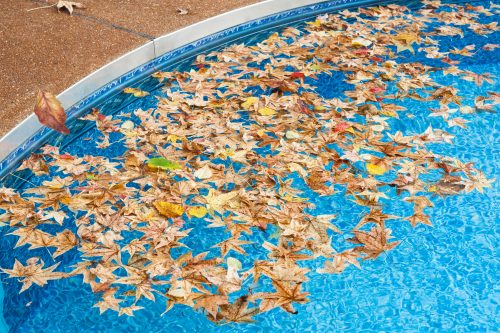
Proper preparation sets the foundation for a successful off-season. Winterizing your pool requires careful planning and attention to detail. Skipping steps during this phase often leads to expensive pool repairs in the spring. You should begin the closing process before the first freeze hits your area. Freezing water expands and can crack pipes, pumps, and filters. Follow these initial steps to get your pool ready for the cold months ahead:
- Remove all pool accessories, including ladders, diving boards, and toys.
- Skim the surface of the water to remove leaves and debris.
- Brush the walls and floor to prevent algae spores from settling.
- Vacuum the pool thoroughly to ensure a spotless interior.
- Lower the water level below the skimmer line to prevent freezing inside the intake.
Water Testing and Chemical Balancing
Balancing your water chemistry is a critical step in the closing process. Imbalanced water can cause scale buildup, metal stains, and severe corrosion over the winter. You must test pool water chemistry a few days before you plan to close the pool completely.
Applying the correct winterizing chemical supply prevents algae blooms from turning your pool green. The right chemical balance keeps your water clear and makes opening your pool much easier next year. Consider these chemical balancing steps:
- Adjust the pH level to fall between 7.2 and 7.6.
- Ensure your total alkalinity rests between 80 and 120 parts per million.
- Check that calcium hardness remains between 200 and 400 parts per million.
- Shock the pool with a high-quality chlorine treatment.
- Add a winter algaecide to prevent growth during the dormant months.
Cleaning Pool Components
Your pool equipment works hard all summer and needs proper care before going into hibernation. Failing to clean pool components can result in permanent damage. Dirt, debris, and scale left inside your machinery will harden over the winter.
Taking the time to clean pool pumps and other vital parts extends the lifespan of your system. You must remove all organic matter and standing water from the equipment pad. Explore how to clean each components:
Filters, Pumps, Skimmers, and Pipes
Every piece of equipment that handles water needs thorough cleaning and draining. You need to clean pool filters carefully to remove oils and debris. Sand filters require backwashing, while cartridge filters need a deep chemical soak.
Water left inside your plumbing lines poses the greatest risk during a freeze. You must blow out the lines using an air compressor to achieve swimming pool freeze protection.
- Drain all water from the pump housing.
- Remove the drain plugs from the filter tank.
- Clear out the skimmer baskets and install winterizing guards.
- Use compressed air to push remaining water out of the underground pipes.
- Plug the return jets to stop water from re-entering the lines.
Equipment Safety and Maintenance
Protecting your equipment goes beyond just removing the water. You should inspect every component for signs of wear and tear. Finding a small crack now allows you to schedule repairs before the spring rush.
Store any removable parts in a dry and climate-controlled environment. Keep your O-rings lubricated with a silicone-based protectant to prevent them from drying out and cracking.
- Store pump lids and drain plugs in the pump basket so you do not lose them.
- Turn off all power to the pool equipment at the main circuit breaker.
- Cover the pool heater to protect it from rodents and debris.
- Inspect all visible PVC pipes for stress fractures.
Choosing the Right Pool Cover
A high-quality cover acts as the primary defense against the winter elements. It keeps leaves out of the water and blocks the sunlight that fuels algae growth. Selecting the correct cover makes ongoing maintenance significantly easier. You should strongly consider investing in a pool safety cover for the ultimate protection. Safety covers anchor securely into the pool deck and can support the weight of heavy snow, pets, and even people. Here is how to choose the right cover:
- Measure your pool precisely to ensure the cover fits snugly.
- Inspect your current cover for rips, tears, or degraded straps.
- Install water bags around the perimeter if you use a standard winter tarp.
- Check the tension springs on your safety cover to keep it taut.
- Use a cover pump to remove excess rainwater and melted snow.
Ongoing Off-Season Pool Care
Your responsibilities do not end once the cover goes on. A closed pool still requires occasional monitoring to ensure the winterization process holds up against harsh weather. Neglecting the pool entirely can lead to unpleasant surprises in the spring. Taking a few minutes each month to check on your backyard oasis provides invaluable peace of mind. You can catch minor issues before they escalate into structural disasters. Explore off-season pool care:
- Check the water level periodically to ensure a leak has not developed.
- Clear heavy snow accumulations off the cover to prevent damage.
- Monitor your chemical floaters to see if they need replacing.
- Make sure the cover remains secure after major windstorms.
- Ensure your cover pump is functioning correctly to avoid sagging.
Secure Your Pool for the Winter Season
Protecting your pool through the off-season requires dedication, the right tools, and a clear understanding of your local climate. From balancing the water chemistry to blowing out the plumbing lines, every step plays a vital role in preventing damage. By following this guide, you guarantee that your pool will remain clean, safe, and ready for action when the warm weather returns.
If winterizing your pool feels overwhelming, our experienced professionals are here to help. Millennium Pools & Spas offers comprehensive residential and commercial pool closing services across Virginia, Maryland, and Washington DC. We have over 100 years of combined experience protecting pools just like yours. Contact Millennium Pools & Spas today to schedule your service and secure your backyard investment.
A swimming pool offers a perfect escape, especially during the warm peak season. However, for some, increased pool usage can lead to uncomfortable…
The Importance of Winterizing Commercial Pools
The off season is upon us, and it’s time to close up the pool for winter. To the owner or manager…